
If you’re new to acupuncture or related therapies, it can sometimes sound unfamiliar or even a little mysterious. We’ve gathered some frequently asked questions to help you feel informed and at ease. If you have any further questions, please don’t hesitate to contact us.
Frequently Asked Questions
-
Your appointment begins with the asking of informated consent and a consultation, where your health history, current concerns and goals are discussed. This helps guide the treatment and ensures care is appropriate for you. Th practitioner will ask to observe your tongue and touch your wrist to feel your pulse.
You will then be invited to lie comfortably on the treatment table. Single-use, sterile needles are gently inserted at selected points on the body. Most people feel little to no discomfort — sensations may include warmth, heaviness, tingling, or a dull ache, which usually settles quickly.
Once the needles are in place, you will rest quietly for around 20–30 minutes. Many clients find this time deeply relaxing and may even fall asleep.
After the needles are removed, brief after-care advice may be given. Some people feel relaxed, energised, or slightly tired afterwards. These responses are normal, and allowing time to rest is encouraged.
-
It can sometimes come as a surprise when we ask to look at your tongue, but this observation is an important part of Traditional Chinese Medicine assessment.
In Chinese medicine, the tongue is viewed as a map of the body, providing information about patterns such as heat or cold, circulation, and overall balance. Different areas of the tongue are associated with different systems, helping guide treatment in a gentle and individualised way.
-
Pulse taking is another important diagnostic method in Traditional Chinese Medicine. Using three fingers on each wrist, the practitioner assesses the rhythm, strength and speed of the pulse at different positions. Each position is traditionally associated with different organ systems, helping to build a picture of overall balance and guide treatment.
-
This is a very common question and a concern many people have. The needles used in acupuncture are single-use, sterile and extremely fine — about the thickness of a hair. They are very different from needles used for injections or blood tests.
Most people feel little to no discomfort during treatment. Some areas of the body can be more sensitive, and in these cases even finer needles are used to ensure comfort.
-
When acupuncture is performed by an AHPRA-registered acupuncturist, it is considered a low-risk therapy. Practitioners are extensively trained in safe needling techniques, including awareness of anatomical boundaries and appropriate point selection. This is especially important when treating people who are pregnant or who have conditions such as high blood pressure or cancer.
-
Cupping
Cupping is used to encourage local blood flow and tissue movement where it is needed. During suction cupping, circular areas of redness or discolouration may appear. This is a normal response and reflects reduced circulation in the area being addressed. These marks are temporary and often fade like a bruise over several days.
After cupping, it is recommended to avoid showering for a few hours and keeping the area covered, as the skin and body may be more sensitive during this time.
Gua Sha
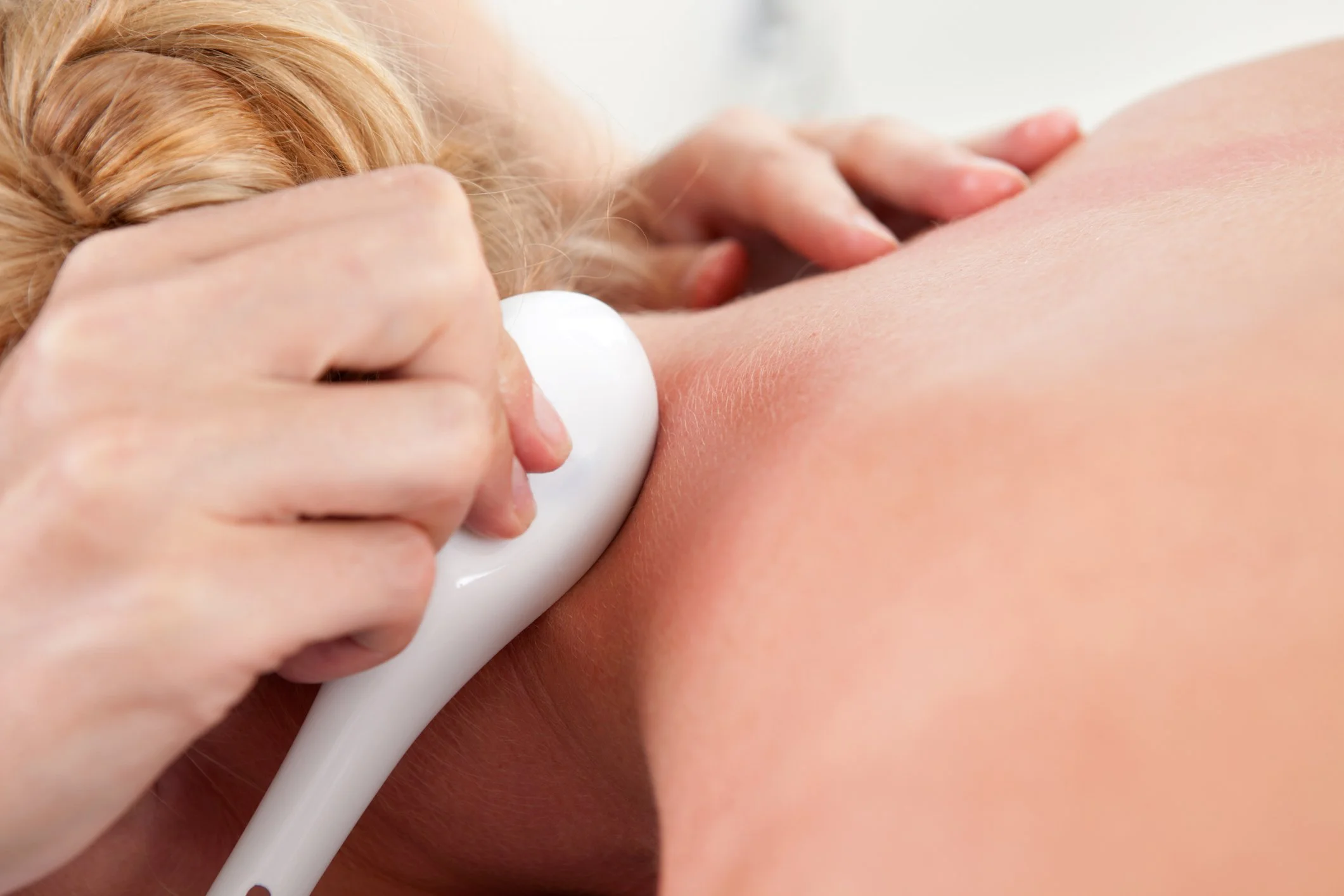
Gua Sha involves gentle scraping of the skin using a smooth-edged tool to encourage circulation near the surface of the body. Oil is applied first, and the tool is moved in one direction, creating a reddish “sha” appearance. This response is normal and temporary, often fading similarly to bruising.
After treatment, the area should be kept warm and covered, particularly if the neck or upper back has been treated. Bathing is best avoided for a few hours following treatment due to increased skin sensitivity.
-
Item description
Adverse effects are generally minimal and temporary. Occasionally, a small bruise may occur, particularly in areas where blood vessels are closer to the surface. If slight bleeding occurs when a needle is removed, pressure is applied immediately. Topical treatments such as arnica cream may also be recommended to help minimise bruising.
Acupuncture treatments encourage movement and balance within the body. After treatment, some people may feel light-headed, slightly dizzy, or very relaxed and sleepy. This response is generally temporary and reflects the body adjusting and settling after treatment. Allow yourself time to rest and move gently, giving your body the space it needs to reset.