

Moxibustion - Moxa
Moxibustion, commonly called Moxa, is a traditional Chinese Medicine therapy that uses gentle heat to warm specific acupuncture points and areas of the body. It has been used alongside acupuncture in China and other parts of East Asia for centuries.
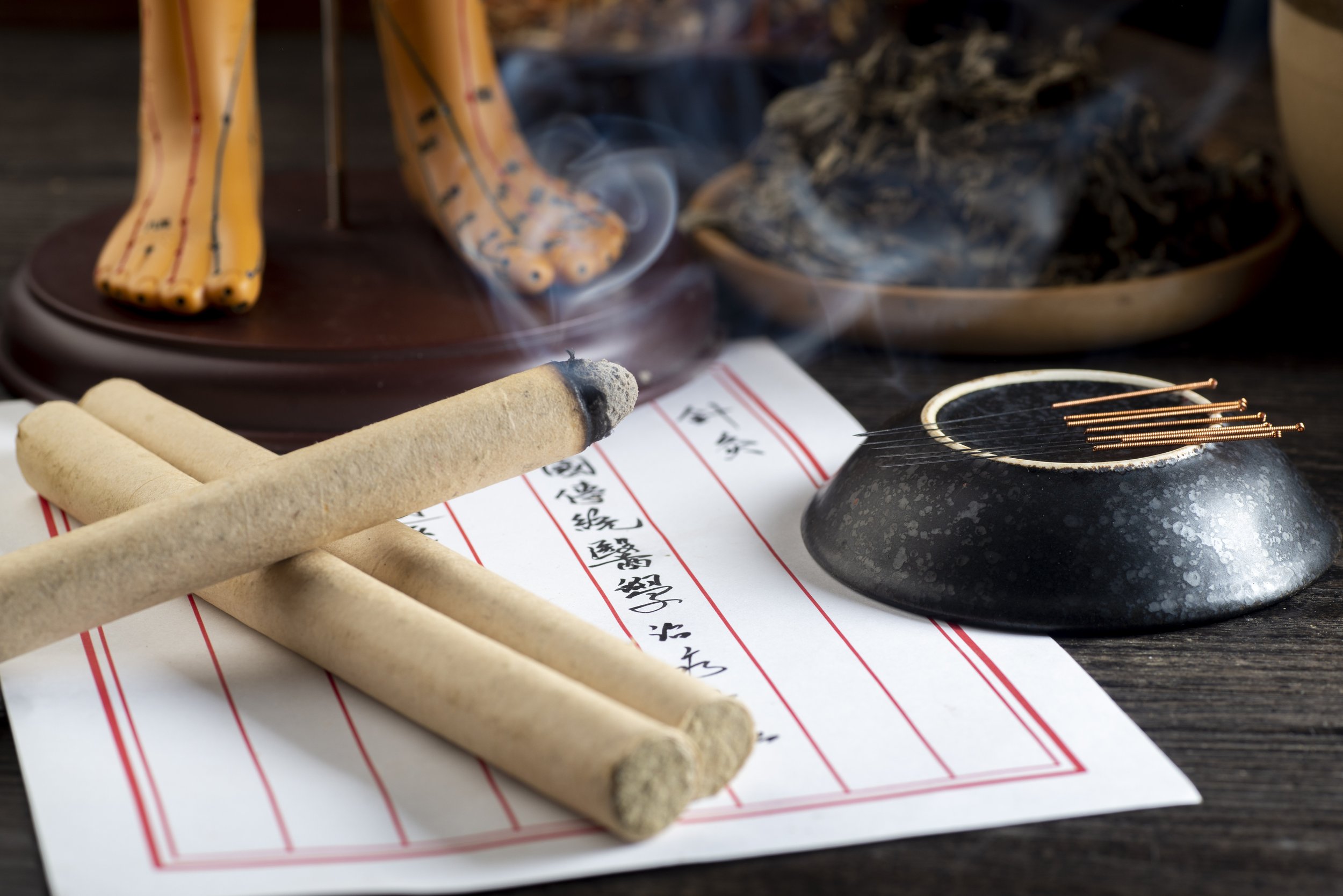
Moxa is traditionally made from the dried leaves of the mugwort plant (Artemisia). The dried herb can be formed into sticks, cones or other preparations and warmed near an acupuncture point or treatment area. Traditionally, burning loose moxa or moxa sticks produces a distinctive smoke and aroma. Due to the distinct smell, Willow Tree Acupuncture only uses smokeless moxa.
At Willow Tree Acupuncture, moxa is selected when clinically appropriate and tailored to each individual's needs and treatment goals.

❋ Why is Moxa used?
In traditional Chinese Medicine, moxibustion is used to warm the channels, dispel Cold, support Yang and encourage the movement of Qi and Blood. It is often considered when a person's symptoms feel better with warmth or when a Chinese Medicine assessment identifies signs of Cold or deficiency. Mugwort also contains anti-inflammatory properties and used when inflammation is seen.
❋ What does it feel like?
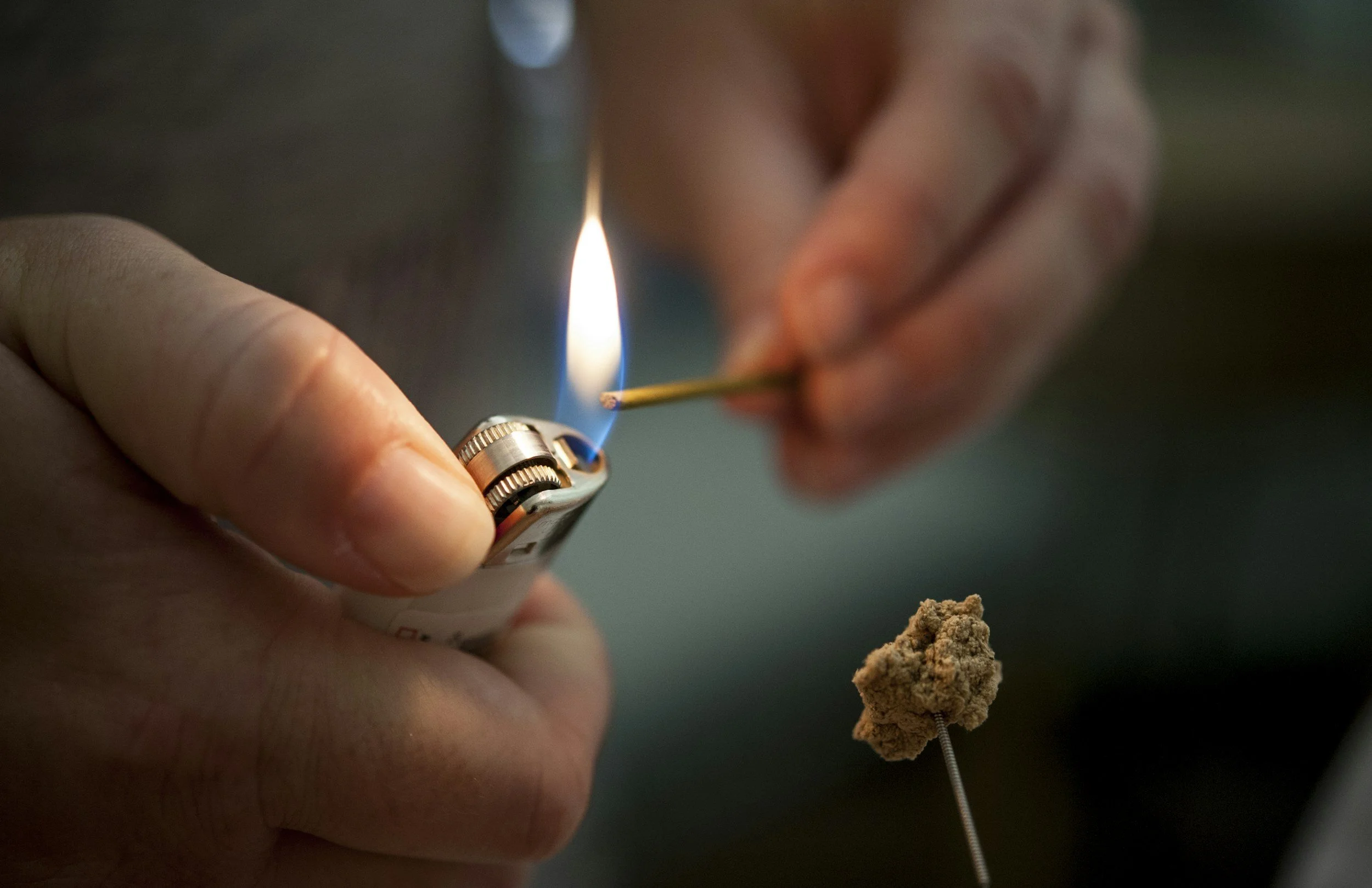
Moxa sticks are used to warm already placed needles. The smokeless moxa is held at a safe distance from the skin, creating a gentle, comfortable warming sensation without touching or burning the skin.
Smokeless moxa can also be used on the needle head itself.
From a modern perspective, moxibustion provides controlled local heat stimulation to the skin and underlying tissues.
Moxa may be incorporated into an acupuncture treatment for:3
Cold or stiff muscles and joints
Musculoskeletal aches and discomfort
Supporting local circulation and warmth
Certain digestive or abdominal complaints, where appropriate
Some menstrual and women's health presentations
General feelings of coldness or fatigue when appropriate to the individual's Chinese Medicine diagnosis
❋ What is Moxa used for?
Moxibustion also has a long history of use in Chinese Medicine during pregnancy. In particular, moxibustion at the acupuncture point BL67 (Zhiyin) has been studied in relation to breech presentation. This is a specific clinical application and should only be considered at an appropriate stage of pregnancy following assessment and in conjunction with the person's maternity healthcare.